Health
Miniature Schnauzer Health Guide: Common Conditions and Prevention
The conditions this breed actually faces, which DNA and screening tests responsible breeders run, and the preventive care plan that protects a 12–15 year lifespan.
·15 min read
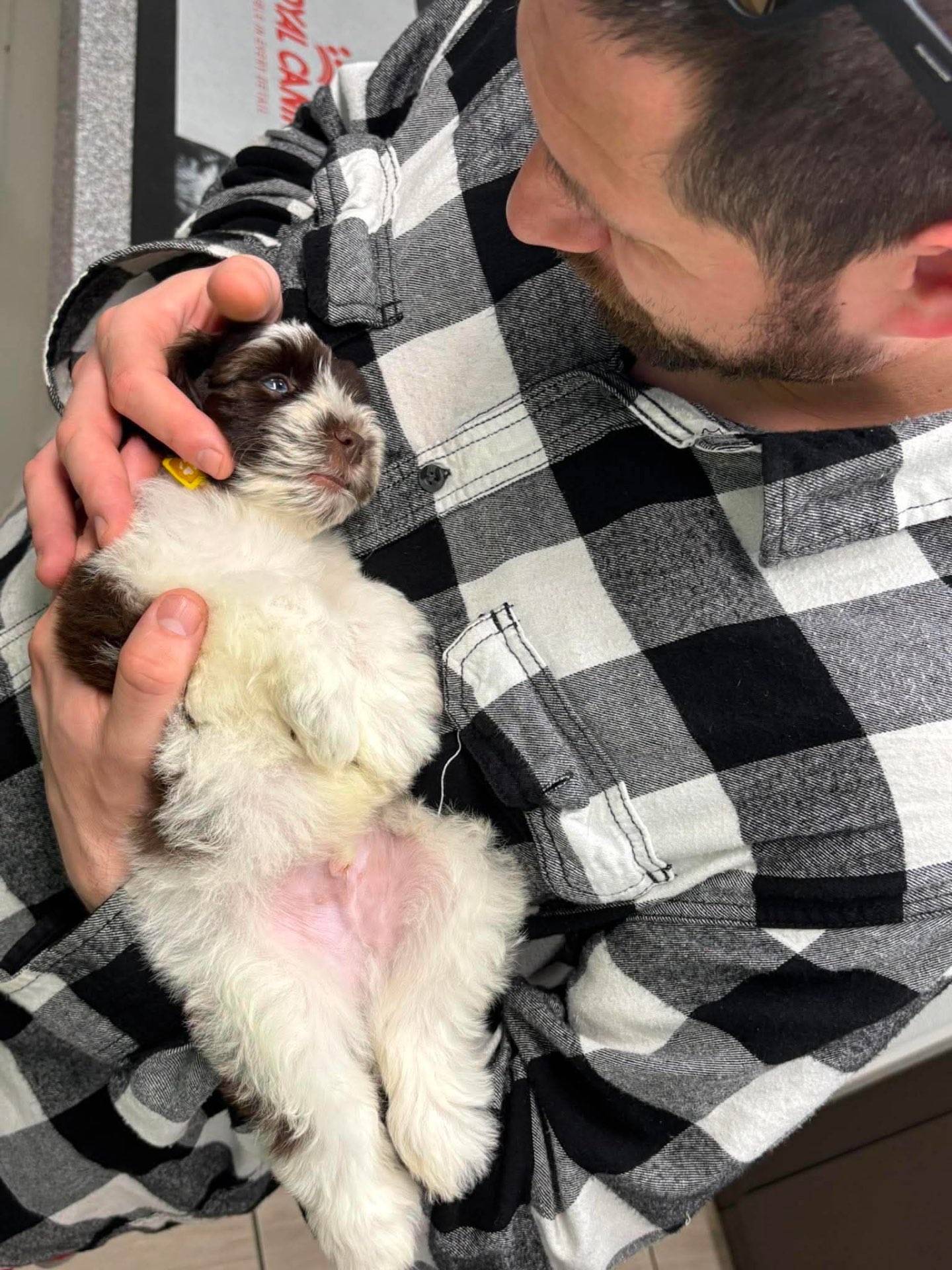
Miniature Schnauzers are a long-lived, sturdy breed — twelve to fifteen years is typical, and many reach sixteen. They are not, however, free of inherited disease, and the conditions they do carry are worth understanding before you buy rather than after.
This guide covers the genetic conditions responsible breeders screen for, the acquired problems that show up in middle age, and a preventive care schedule that keeps most of them from becoming emergencies.
Health testing is also the clearest way to separate a responsible breeder from a volume seller — see choosing a responsible breeder.
The health tests that matter
Ask any breeder for documentation of the following on both parents. Documentation means certificates or lab reports you can read — not a verbal assurance that the dogs are 'vet checked.'
| Test | What it screens for | Type |
|---|---|---|
| Ophthalmologist eye exam | Cataracts, retinal disease, entropion | Annual exam |
| PRA (Type A / Type B) | Progressive retinal atrophy, leading to blindness | DNA |
| Congenital cardiac exam | Pulmonic stenosis and other heart defects | Auscultation/echo |
| Myotonia congenita | Inherited muscle stiffness disorder | DNA |
| Mycobacterium avium susceptibility | Fatal infection susceptibility | DNA |
| Patella evaluation | Luxating patella | Veterinary exam |
Inherited conditions in detail
Progressive retinal atrophy (PRA)
A degeneration of the retina that eventually causes blindness. There is no treatment, but there is a DNA test, which means responsible breeding all but eliminates it from a line. Night vision loss is usually the first sign.
Cataracts
Both juvenile and later-onset forms occur in the breed. Annual ophthalmologist exams on breeding dogs are the screening tool. Surgical removal is often successful in affected pets.
Myotonia congenita
A rare inherited muscle disorder causing stiffness and difficulty rising. Entirely preventable through DNA testing of breeding stock.
Pulmonic stenosis
A congenital narrowing of the pulmonary valve. Detected by cardiac auscultation and echocardiogram; mild cases often live normal lives, severe cases may need a balloon procedure.
Luxating patella
A kneecap that slips out of its groove, common across small breeds. Mild grades are managed with weight control and muscle conditioning; higher grades may need surgery.
Acquired conditions to watch for
Hyperlipidemia and pancreatitis
The breed's best-known health issue. Elevated blood fats predispose Miniature Schnauzers to pancreatitis, frequently triggered by a fatty meal. Prevention is dietary and is covered fully in the nutrition guide.
Bladder stones
Struvite and calcium oxalate stones occur more often in Miniature Schnauzers than in most breeds. Straining, frequent small urinations, blood in the urine, or accidents in a house-trained dog warrant a same-day veterinary visit — a blocked male dog is an emergency.
Diabetes mellitus
Middle-aged and older Schnauzers are at above-average risk. Increased thirst, increased urination, weight loss despite good appetite, and cloudy eyes are the classic signs. Managed successfully with insulin and diet in most dogs.
Cushing's disease and hypothyroidism
Both endocrine disorders appear in the breed. Symmetrical hair loss, a pot-bellied appearance, skin changes, or unexplained weight gain deserve bloodwork rather than a wait-and-see approach.
Dental disease
The most underrated small-dog health problem. Periodontal disease is painful, common by age three, and linked to heart and kidney damage. Daily brushing and professional cleanings under anesthesia are genuinely preventive medicine.
Skin conditions
Schnauzer comedo syndrome — small blackhead-like bumps along the back — is a breed-specific, manageable condition. Allergies and secondary yeast infections in the beard and paws are also common.
Preventive care by life stage
| Age | Care priorities |
|---|---|
| 8–16 weeks | Core vaccine series, deworming, parasite prevention, first exams |
| 4–12 months | Booster, spay/neuter discussion, dental home care habits |
| 1–6 years | Annual exam, vaccines by titer or schedule, dental cleanings, weight checks |
| 7–9 years | Twice-yearly exams, baseline bloodwork including lipids and glucose |
| 10+ years | Semiannual bloodwork, blood pressure, mobility and vision assessment |
When to call the vet immediately
- Repeated vomiting with a hunched, painful posture
- Straining to urinate or producing no urine
- Sudden collapse, pale gums, or labored breathing
- Seizure activity
- A rigid, distended abdomen
- Known ingestion of xylitol, grapes, chocolate, or medication
- Sudden vision loss or a painful, cloudy eye
Habits that add years
- Keep the dog lean — the single best-documented longevity intervention in dogs.
- Brush teeth daily.
- Feed consistent, moderate-fat meals and hold the line on scraps.
- Provide daily walks plus mental work.
- Do not skip annual exams; small dogs hide disease well.
- Start bloodwork at seven, not at the first symptom.
Frequently asked questions
- What is the average lifespan of a Miniature Schnauzer?
- Twelve to fifteen years, with many well-cared-for dogs reaching sixteen. Lean body condition, dental care, and preventive veterinary visits have the biggest impact.
- What health problems are Miniature Schnauzers prone to?
- Most notably hyperlipidemia and pancreatitis, bladder stones, diabetes, cataracts and progressive retinal atrophy, luxating patella, and dental disease.
- What health tests should Miniature Schnauzer parents have?
- An ophthalmologist eye exam, DNA testing for PRA types A and B, myotonia congenita, and Mycobacterium avium susceptibility, plus cardiac and patella evaluations.
- Are Miniature Schnauzers hypoallergenic?
- No dog is truly hypoallergenic, but their low-shedding wiry coat means they release less dander into the home than most breeds, and many allergy sufferers tolerate them well.
- How can I prevent bladder stones in my Schnauzer?
- Encourage water intake, allow frequent urination opportunities, feed a diet appropriate to your dog's stone risk, and report straining or blood in the urine to your veterinarian immediately.
Most Miniature Schnauzer health risks are either preventable through breeder testing or manageable through early detection. Buy from parents with documented testing, keep your dog lean, brush its teeth, and take middle-age bloodwork seriously.
We health test our breeding dogs and share results openly — questions are always welcome on our contact page.
If you are researching a puppy now, see our available puppies and our upcoming litters.